Starting a lower-waste routine is easier when a useful change fits naturally into daily life. These gift ideas range from kitchen and garden composting to reusable food storage and growing supplies.
Choose something that matches the recipient’s space and habits, whether they are curious about composting, tending plants or replacing a disposable kitchen staple.
9 Practical Gift Ideas for Zero Waste Beginners
EPICA 1.3-Gallon Stainless Steel Countertop Compost Bin
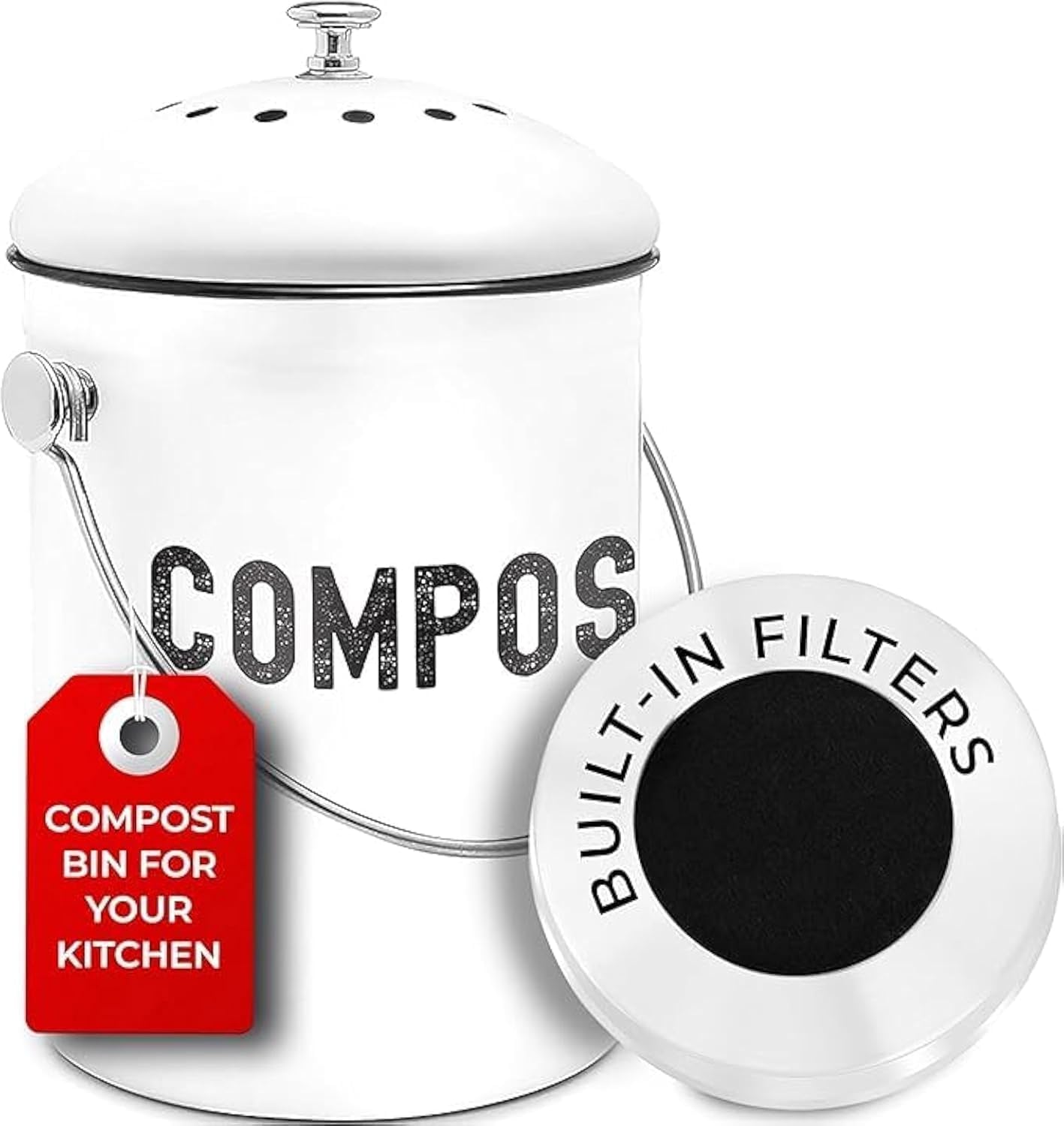
- An airtight lid and replaceable activated-charcoal filter help manage kitchen odors.
- The one-piece molded bin is designed to resist rust and leaks.
- Its capacity is intended to hold several days of kitchen scraps.
Best Gift For: A beginner who wants to collect kitchen scraps indoors before composting them.

FCMP Outdoor HOTFROG 37-Gallon Rolling Tumbler
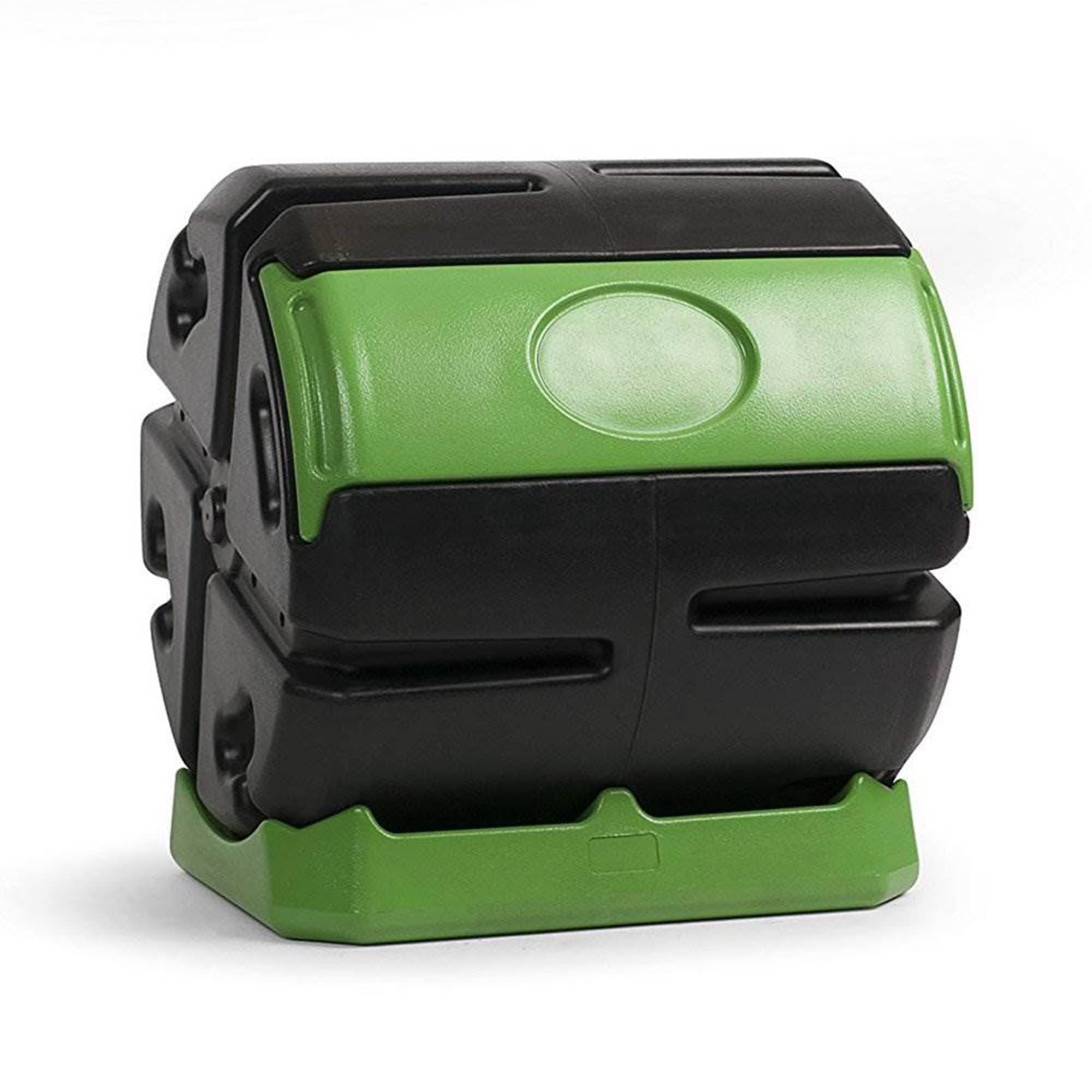
- The tumbling design makes mixing compost easier.
- The rolling design helps move compost around the yard.
- Aeration holes and deep fins help mix oxygen into the compost.
Best Gift For: A beginner with outdoor space who wants to turn kitchen and yard waste into compost.
Prep Naturals 25 oz Meal Prep Containers, 50-Pack
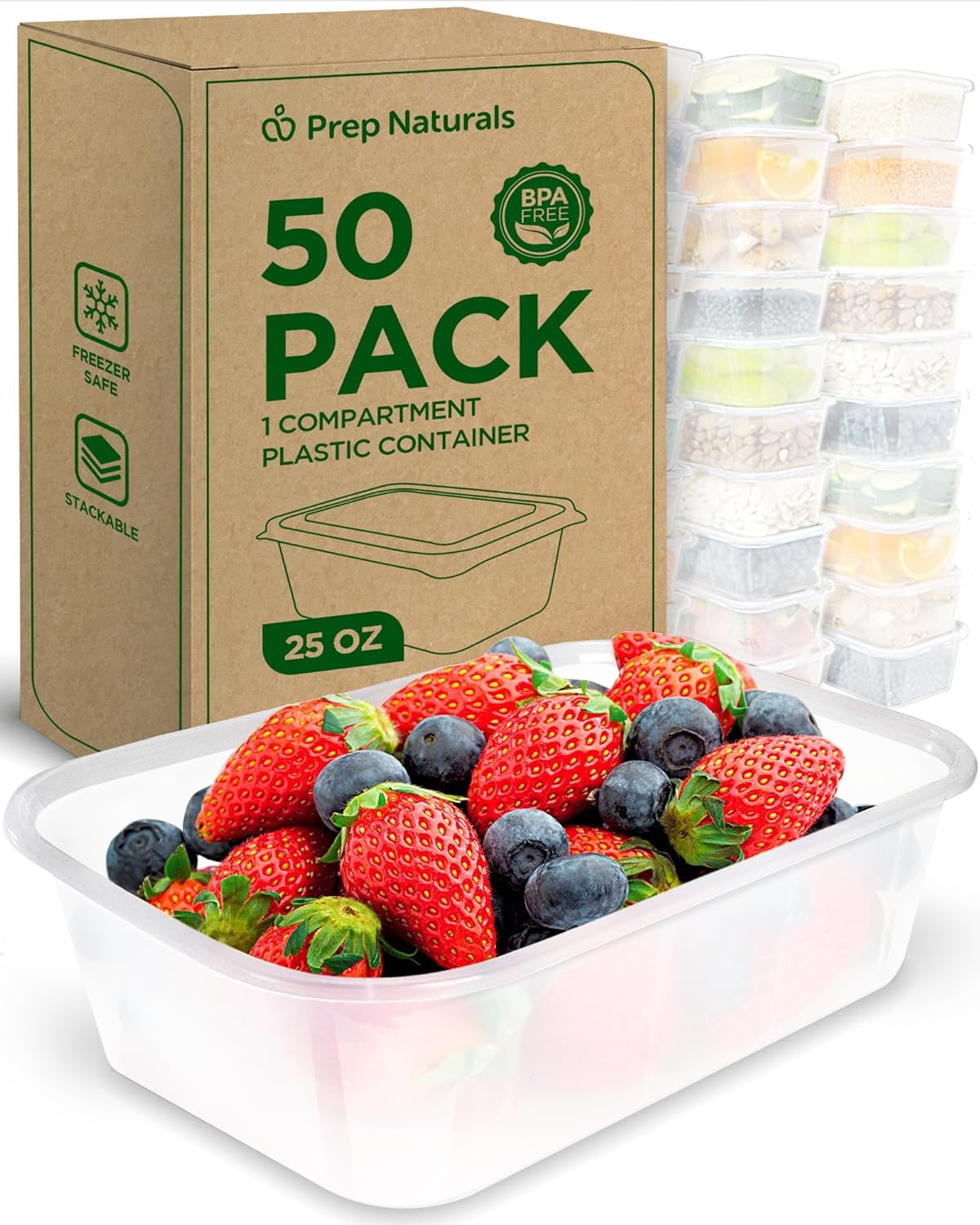
- The set includes reusable food containers with lids.
- The containers are microwave and freezer safe.
- The containers are dishwasher safe for cleanup.
Best Gift For: Someone who wants reusable containers for planned meals, leftovers or snacks.
Fellow Carter Move 16 oz Ceramic-Interior Travel Mug
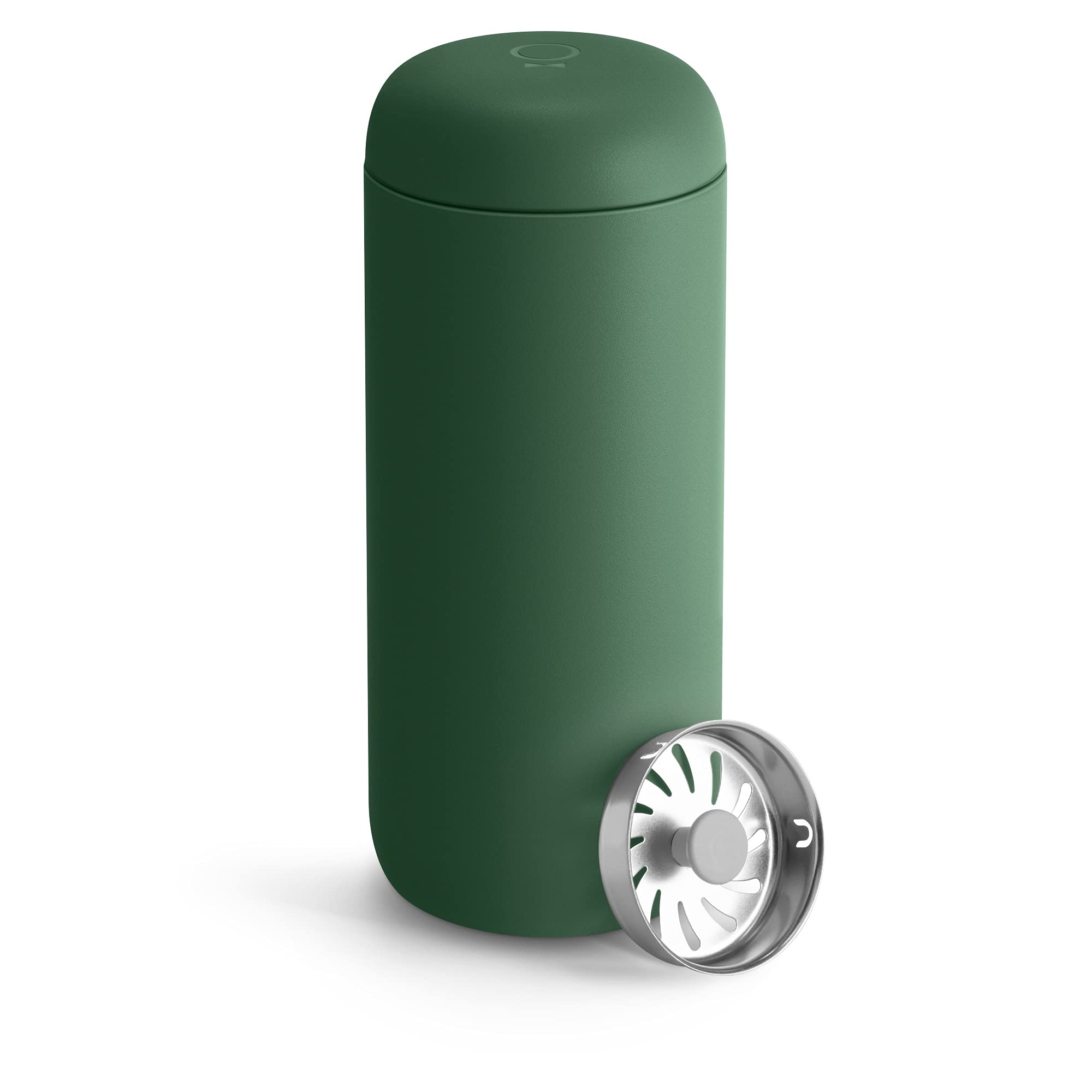
- The ceramic-coated interior is designed to keep drink flavors clear.
- A removable splash guard helps keep liquid steady when the lid is off.
- The mug is dishwasher safe for everyday cleaning.
Best Gift For: A coffee or tea drinker who wants a reusable mug for commutes and errands.
Hydracy 2L Reusable Water Bottle
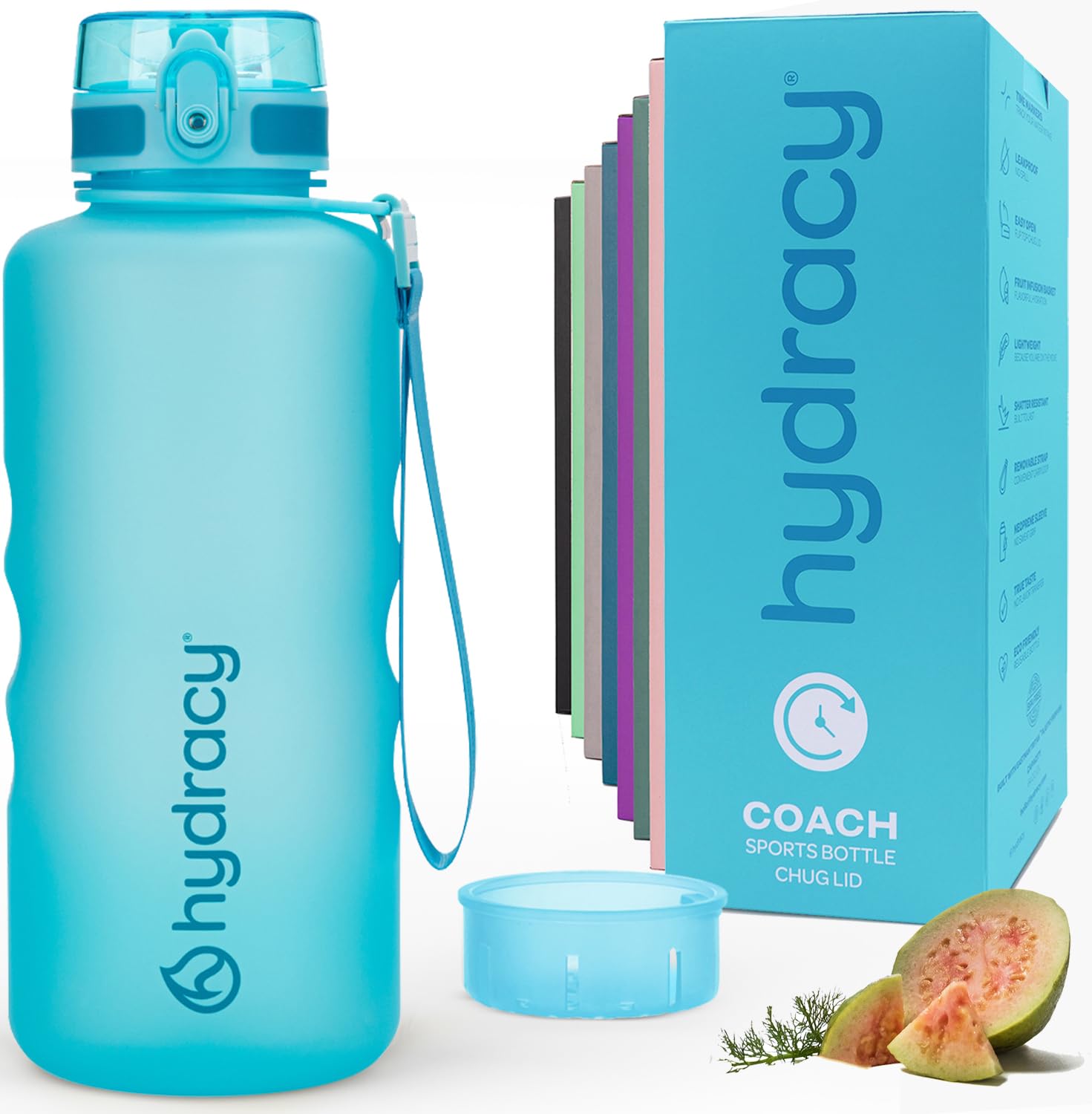
- The bottle is made from reusable Tritan plastic.
- A timeline on the bottle offers prompts for drinking throughout the day.
- The design includes a detachable carry strap and a fruit infusion strainer.
Best Gift For: Someone who brings water along for fitness, cycling, hiking or camping.
YARRAMATE 2-in-1 Glass Oil Sprayer and Pourer
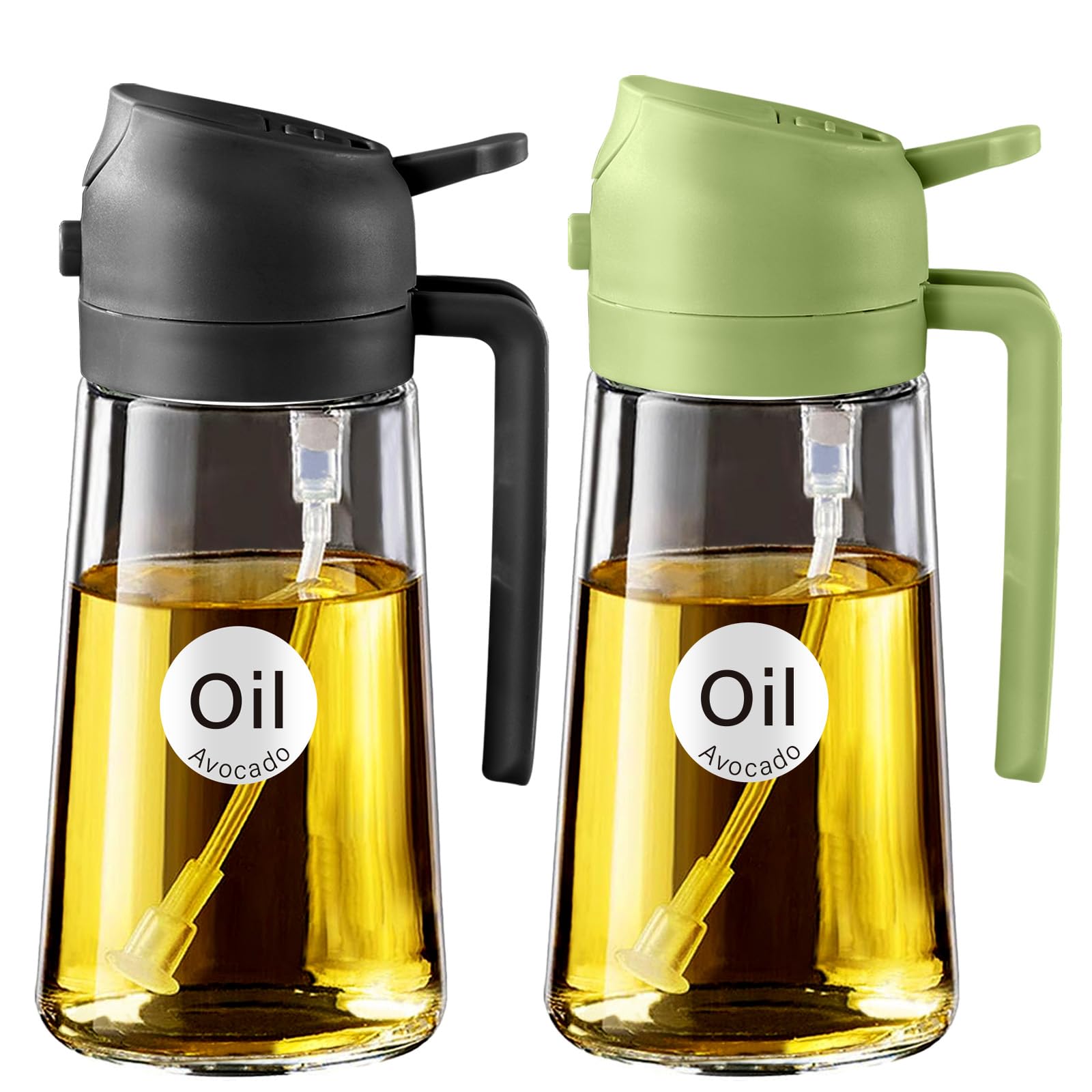
- The bottle can spray or pour oil for cooking.
- It is made with food-grade, BPA-free PP material and glass.
- A wide opening makes refilling convenient.
Best Gift For: Someone who cooks at home and would use one refillable bottle to spray or pour oil.
Veradek Demi Series Round Planter
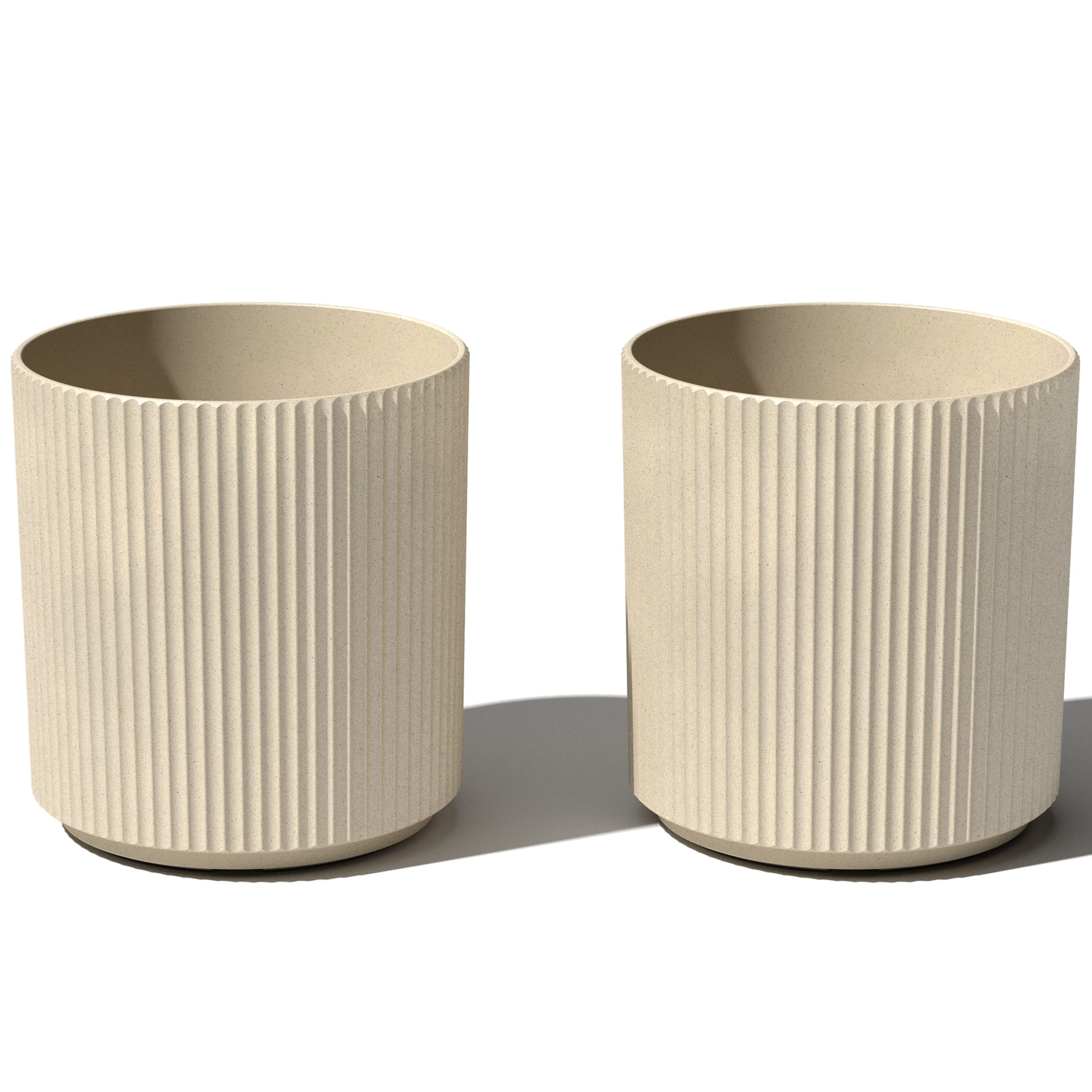
- The plastic-stone composite has a textured finish.
- Pre-drilled drainage holes help manage water in the planter.
- The Demi planter resists cracks, scratches, UV, and fading in all-weather conditions.
Best Gift For: A plant lover looking for a planter for a porch, patio, backyard or living room.
Mr. Pen Seed Starter Trays, 5-Pack
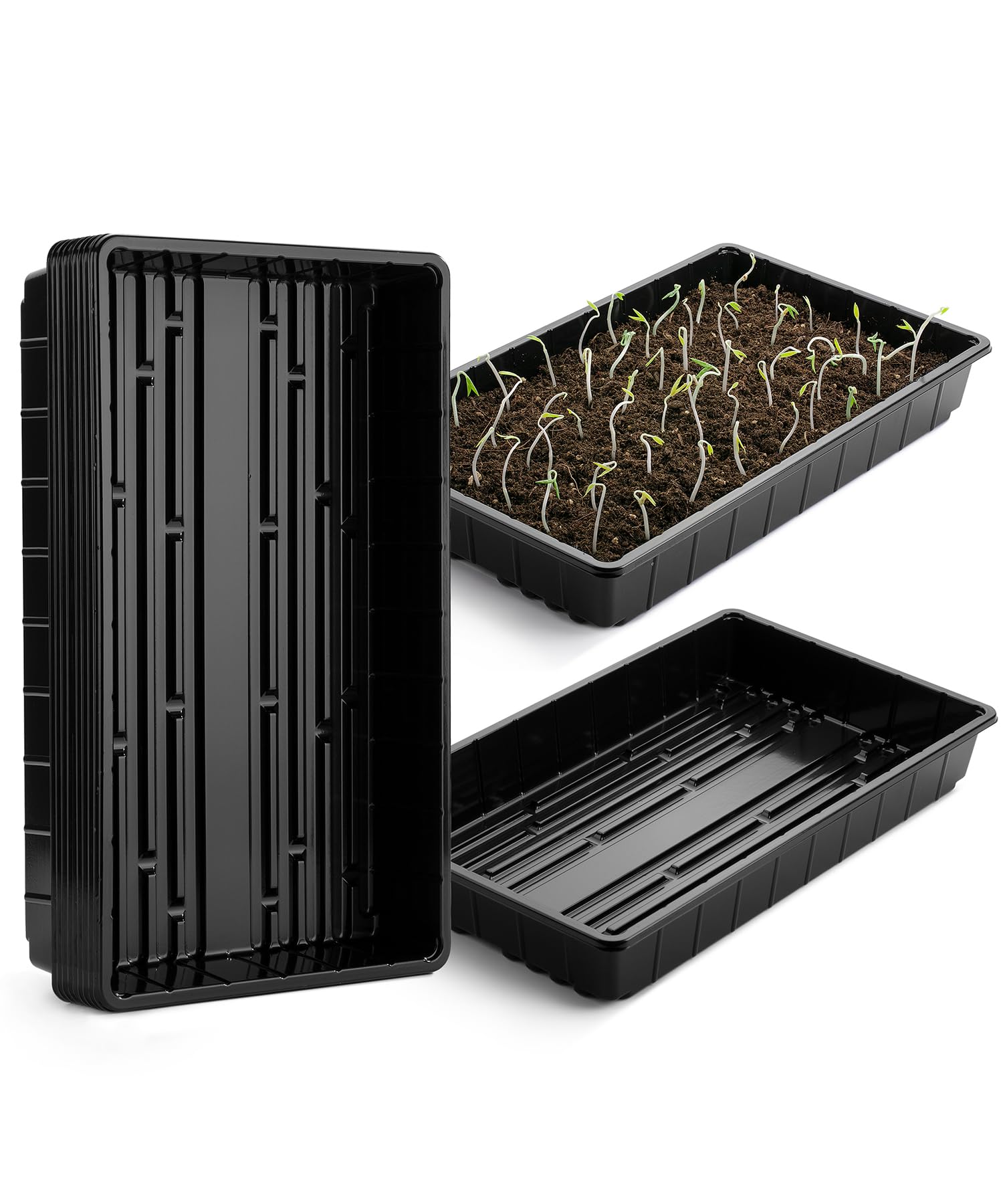
- The title identifies a five-pack of stackable, reusable growing trays.
- The trays can be used repeatedly to grow plants indoors or outdoors.
- They can help contain soil, fertilizer and water.
Best Gift For: A beginner gardener interested in starting vegetables, flowers, sprouts or microgreens.
Best Choice Products Wooden Garden Potting Bench
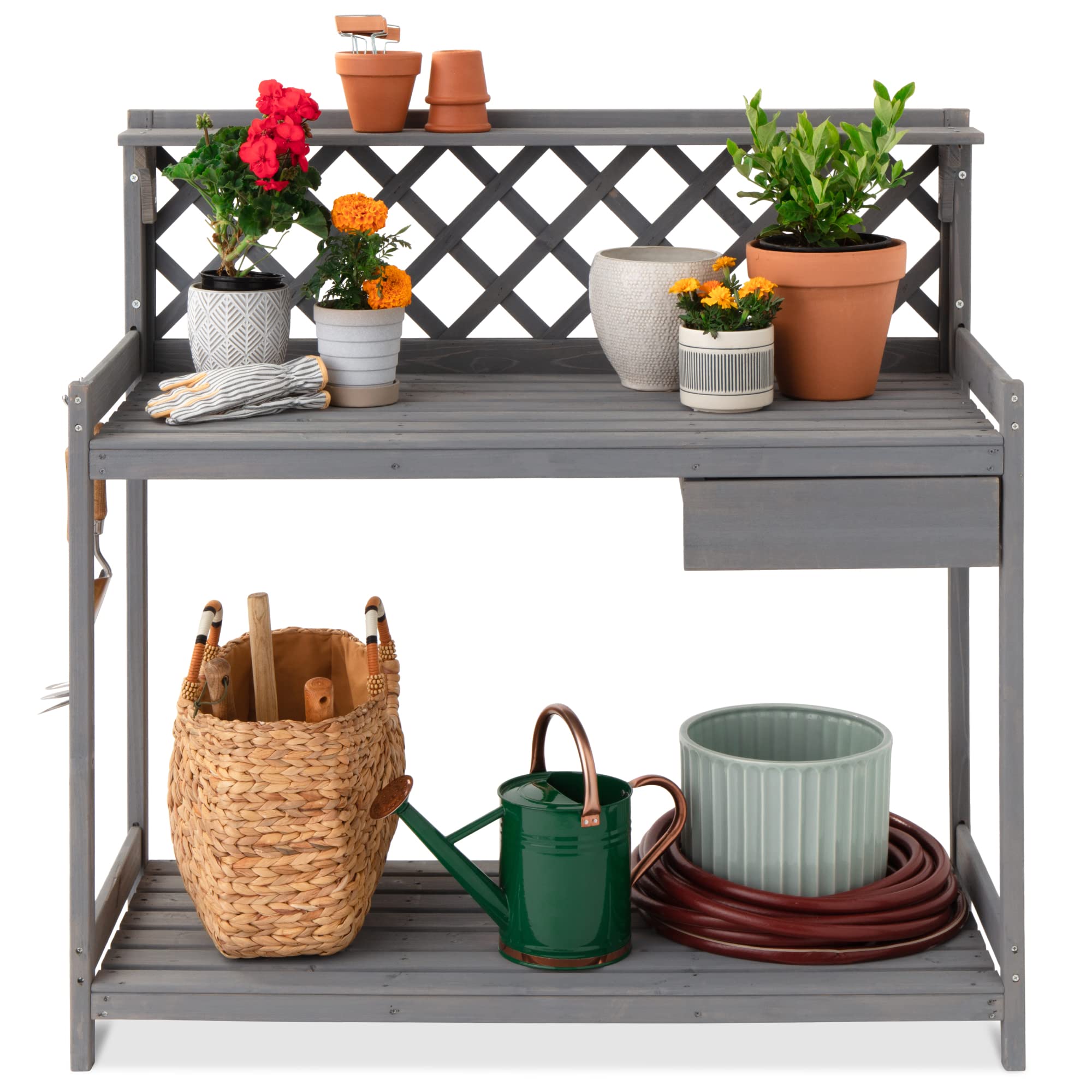
- The built-in drawer and hooks offer a place for tools and garden essentials.
- An open-front shelf can hold seedlings and watering cans.
- A lower shelf is intended for soil, fertilizer and other heavier items.
Best Gift For: A home gardener who would enjoy a dedicated outdoor spot for potting and keeping garden supplies close by.
1. Match gifts for zero waste beginners to daily routines
For gifts for zero waste beginners, start by noticing which disposable habit the recipient already wants to change. Someone who cooks most evenings may appreciate a way to collect scraps or keep leftovers, while a daily coffee drinker may use a refillable mug more often than a new garden tool.
Home and outdoor space matter just as much as enthusiasm. An indoor scrap bin suits a kitchen routine; a tumbler or planting supplies need somewhere to live and be used.
If the recipient rents, shares a small kitchen or has limited storage, favor compact items and check dimensions before buying.
A useful gift makes a new habit easy to repeat. Think about whether the person already has a compost destination, reusable containers or a place to start seedlings.
The best fit builds on something they do rather than asking them to reorganize their life around a new project.
2. Balance budget and ongoing usefulness
A lower-cost present can still support a meaningful change when it replaces something used regularly. Reusable storage, a refillable cooking bottle or seed-starting supplies can work as a modest standalone gift or join a note with a practical idea for using them.
Larger garden pieces call for more thought about available space and whether the recipient is ready to maintain them. A substantial composting or potting setup may suit someone who has already talked about gardening; for a casual beginner, a smaller item can be a more comfortable invitation.
Set a budget before shopping, then compare what each option helps the recipient do. Check actual prices and current product details, including dimensions and compatibility where relevant.
The goal is a useful starting point at a level of commitment the recipient will welcome.
3. Personalize gifts for zero waste beginners
To personalize gifts for zero waste beginners, connect the item to a specific interest: cooking, houseplants, backyard growing or taking coffee on the go. A short card can explain why you thought of them and suggest one simple first use, such as saving vegetable trimmings or starting herbs.
Pairing can make a present feel complete without adding clutter. A mug might come with a favorite coffee, while a planter could be accompanied by a handwritten note about the recipient’s preferred flowers.
Keep add-ons easy to use and avoid packaging that undercuts the reusable purpose.
Presentation can be simple: wrap the gift in fabric the recipient can keep, reuse a box, or add a paper tag with care instructions you have verified. If the gift needs a place or setup, ask casually about that beforehand so the surprise remains welcome and practical.
4. Make the first step approachable
A new routine is more likely to stick when the first step is clear. For composting, consider where scraps will collect and where they will go next.
For gardening, think about whether the recipient wants to grow from seed, repot established plants or simply add greenery to a room.
Avoid assuming every beginner wants a full system. Someone curious about reducing kitchen waste may prefer one small change before taking on outdoor composting.
Likewise, a gardener with little room may value a manageable starting point more than a dedicated workstation.
If you are unsure, choose something that complements a habit they already enjoy. A thoughtful note can frame the gift as an invitation rather than a challenge, leaving them free to experiment at their own pace and decide what works in their home.
5. Plan a smooth last-minute purchase
When time is short, narrow the choice to a known interest and an item with a clear use. Confirm the product variant, color and dimensions before ordering, especially for gifts that need a particular shelf, counter or outdoor spot.
Check current delivery estimates rather than assuming a date.
Compatibility deserves a quick check too. If the recipient will use an item with equipment they already own, verify that it fits their setup.
For garden gifts, consider where the item will be stored and whether they have the space and supplies to use it comfortably.
If the physical gift may arrive later, give a handwritten card with a small sketch or an explanation of the idea. That keeps the occasion personal without promising a delivery date.
A practical gift should feel like encouragement, not another task on the recipient’s list.